Fox Nibble: A Playful Chunky Display Font for Real Embroidery
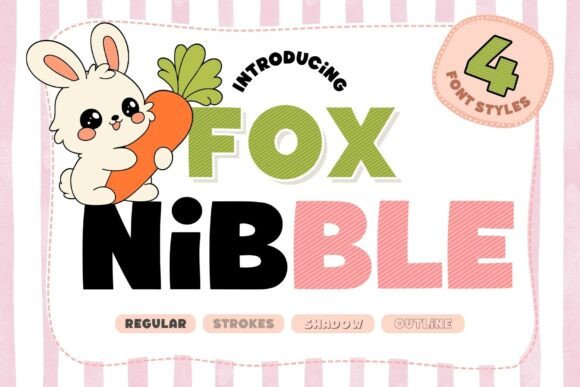
When I first opened the Fox Nibble file, my immediate reaction wasn't about technical specs or stitch counts. It was about the mood. There is a specific energy in a font that tells you exactly what kind of project it belongs to. This playful chunky display font feels like it was designed with a warm cup of tea and a cozy afternoon in mind. For an experienced designer who has spent years evaluating embroidery files for real-world application, the first thing I look for is authenticity. Does this design feel forced, or does it naturally invite the needle? With Fox Nibble, the answer is a resounding yes.
The visual personality of this typeface is undeniably joyful. The rounded edges and slightly irregular spacing give it a hand-drawn charm that translates surprisingly well into thread. In the world of machine embroidery, where precision often kills the "handmade" feel, finding a font that balances structure with whimsy is rare. This isn't just another standard sans-serif; it carries a narrative. It suggests warmth, approachability, and a touch of rustic charm. When I hold up a mockup of this design on a soft cotton fabric, it doesn't just sit there; it seems to pop off the surface, demanding attention without being aggressive.
From Screen to Stitch: A Real Project Scenario
To truly understand the value of a design asset like Fox Nibble, we have to move beyond the screen and imagine it in production. Let's say I am preparing a custom order for a local boutique that specializes in baby gifts. The client wants a set of personalized embroidered bibs and matching burp cloths for a baby shower. They need something that looks professional but retains that sweet, homemade aesthetic that modern parents love.
I pull up Fox Nibble as the primary text element. The chunky nature of the letters ensures that even if the stitching isn't perfect, the words remain legible. Unlike thinner fonts that can disappear under heavy satin stitches, the bold strokes of this display font maintain their integrity. I imagine placing the name "Lily" in the center of a cream-colored muslin bib. The contrast would be striking, especially if paired with a soft sage green or dusty rose thread. The font's playful shape complements the roundness of a baby's face, creating a cohesive visual theme that feels curated rather than mass-produced.
Now, consider a different scenario: a small business owner selling handmade tote bags at a craft fair. They want to brand their shop with a logo that says "The Fox Nibble Co." The durability and visibility of the font are crucial here. Tote bags undergo constant friction and washing. A delicate script might fray or become unreadable over time. However, the substantial weight of Fox Nibble acts as a buffer against wear. It stands up to the rigors of daily use while still maintaining its character. The design works beautifully as a standalone statement piece on the front of a canvas bag, serving as both branding and a conversation starter.
Performance on Fabric: Practical Design Judgments
As a reviewer, I always test designs mentally against various fabric textures and garment types before recommending them for commercial use. Fox Nibble excels in situations where clarity and impact are paramount. It is an excellent choice for custom apparel, particularly sweatshirts and hoodies where a bold graphic is needed to make a statement. The fill stitches required for these chunky letters will lay down smoothly, creating a textured surface that adds depth to the garment.
For digital product sellers and Etsy creators, this font is a versatile tool. Whether you are creating printable mockups for customers to visualize their orders or designing assets for commercial embroidery projects, the legibility holds up. It works equally well on kitchen towels, aprons, and pillow covers. The playful vibe fits perfectly with holiday embroidery themes, such as Christmas stockings or Easter baskets, where a touch of whimsy is desired. The font's robust structure means it can handle the density of a fill stitch without looking muddy, provided the underlying stabilizer is chosen correctly.
However, no single design is a magic bullet for every situation. There are specific constraints where Fox Nibble requires careful consideration. If you are working with a very small hoop size, the details within the curves of the letters might get lost. On thin fabrics, the tension required to anchor these chunky letters could cause puckering if not stabilized properly. Similarly, on stretchy fabrics like jersey knits, the bulk of the embroidery might distort the material, altering the fit of the garment.
Dark fabrics present another challenge. While the design itself is strong, the thread color selection becomes critical. Without high-contrast threads, the unique shapes of the letters might blend into the background, losing the intended visual appeal. Furthermore, on curved surfaces like caps, the distortion of the lettering needs to be accounted for during digitization. If the design isn't adjusted for the curvature, the playful charm could turn into a distorted mess.
Navigating Technical Challenges
Before committing to a full production run, I always advise designers to treat the process as a scientific experiment. Test the design on scrap fabric first. This simple step reveals how the stitch density interacts with your specific fabric texture. You need to ensure that the satin stitch areas don't crowd each other and that the running stitch accents (if any) don't float too loosely.
Thread color contrast is non-negotiable. A design that looks great in black and white mockups might fail miserably when stitched in similar tones. Always inspect small details closely; the corners of the letters in Fox Nibble should be crisp, not rounded out by excessive thread buildup. If you are using a dense stitch area, confirm that your machine can handle the thickness without breaking needles or causing jams.
Stabilizer selection is perhaps the most overlooked aspect of successful embroidery. For a chunky display font like this, a cut-away stabilizer is often necessary to support the weight of the stitches, especially on items that will be washed frequently. Without proper support, the design may warp or pull the fabric, ruining the finished product's presentation.
Impact on Brand and Customer Trust
In the competitive landscape of handmade products and small shop merchandise, the quality of your embroidery speaks volumes about your brand. Using a well-designed font like Fox Nibble signals professionalism and attention to detail. Customers can tell the difference between a generic, low-quality stitch and a thoughtfully executed design. When a buyer sees a personalized gift with clear, charming lettering, it enhances the perceived value of the item.
This design fosters trust because it looks intentional. It avoids the cluttered look of poorly digitized files and maintains a clean, readable appearance. For craft business owners, this means higher customer satisfaction and fewer returns due to illegible text. The font's versatility allows for consistent branding across different products, from embroidered patches to large wall hangings. It creates a recognizable style that buyers can associate with your shop.
Ultimately, Fox Nibble is more than just a collection of letters; it is a tool for creative entrepreneurs to express their brand identity. Whether you are making custom apparel for a client, creating a unique wedding gift, or stocking your Etsy store with trendy accessories, this font offers a reliable foundation for your work. Just remember to check your licensing terms before selling finished items or digital products, and always verify the file formats and hoop sizes required for your specific machine.
By approaching each project with this level of scrutiny and creativity, you transform a simple embroidery file into a tangible piece of art that brings joy to the recipient. That is the true measure of a successful design asset.